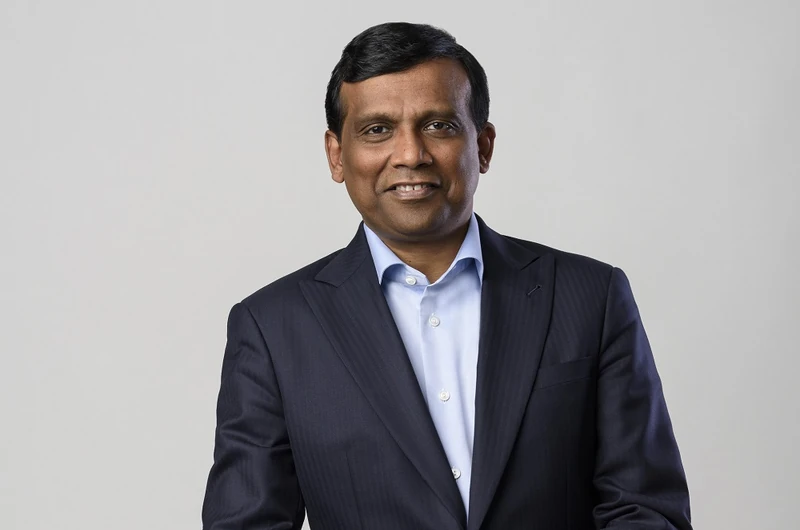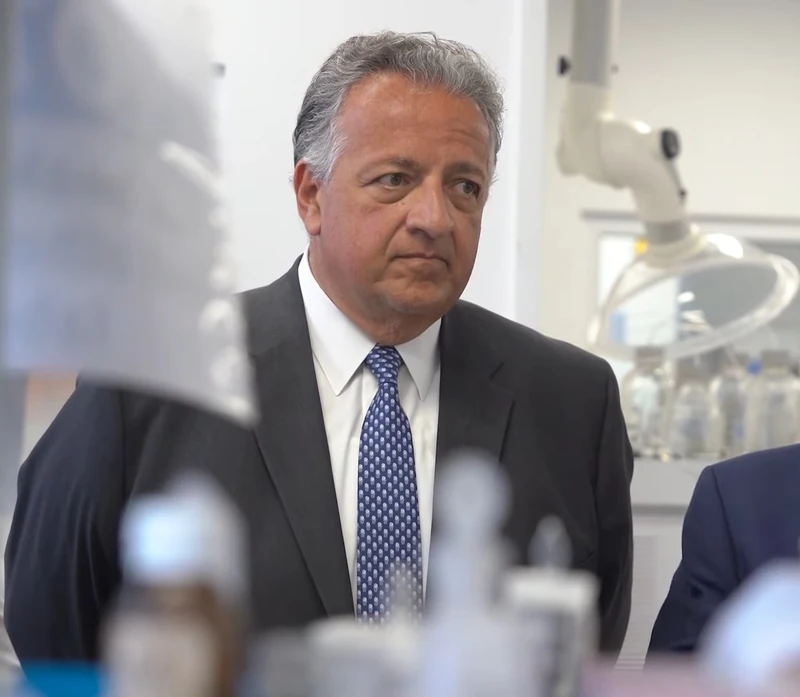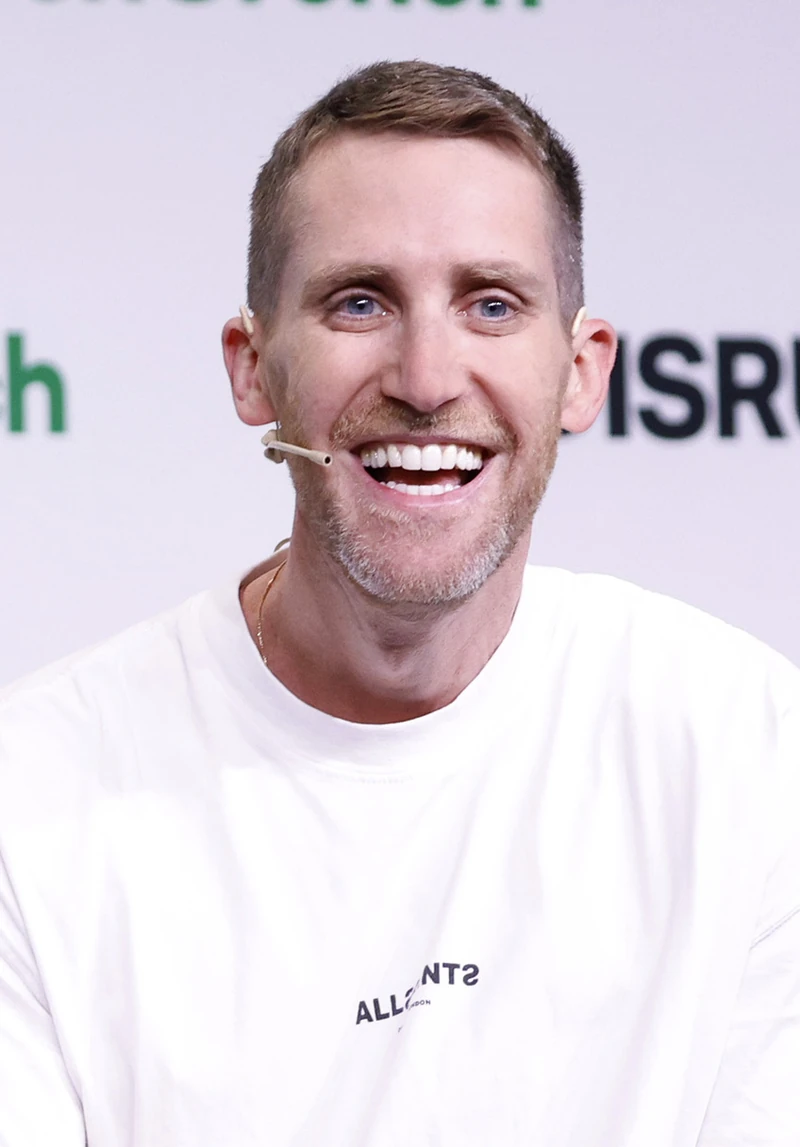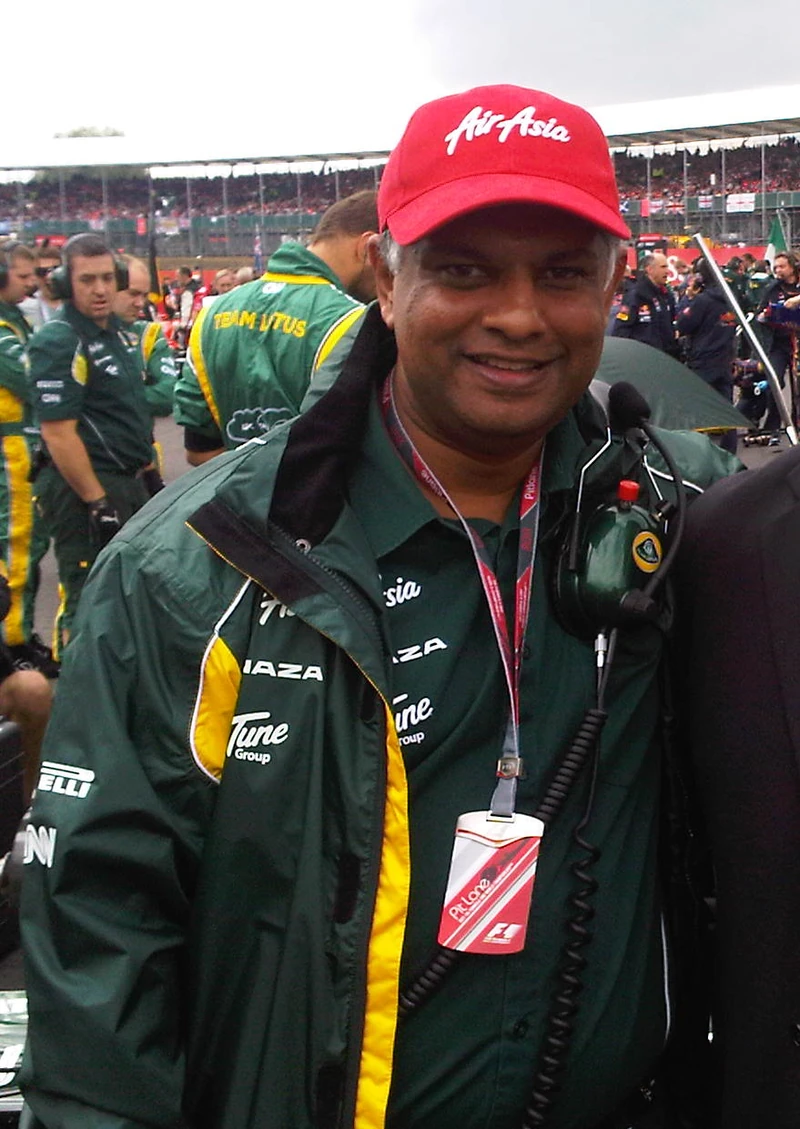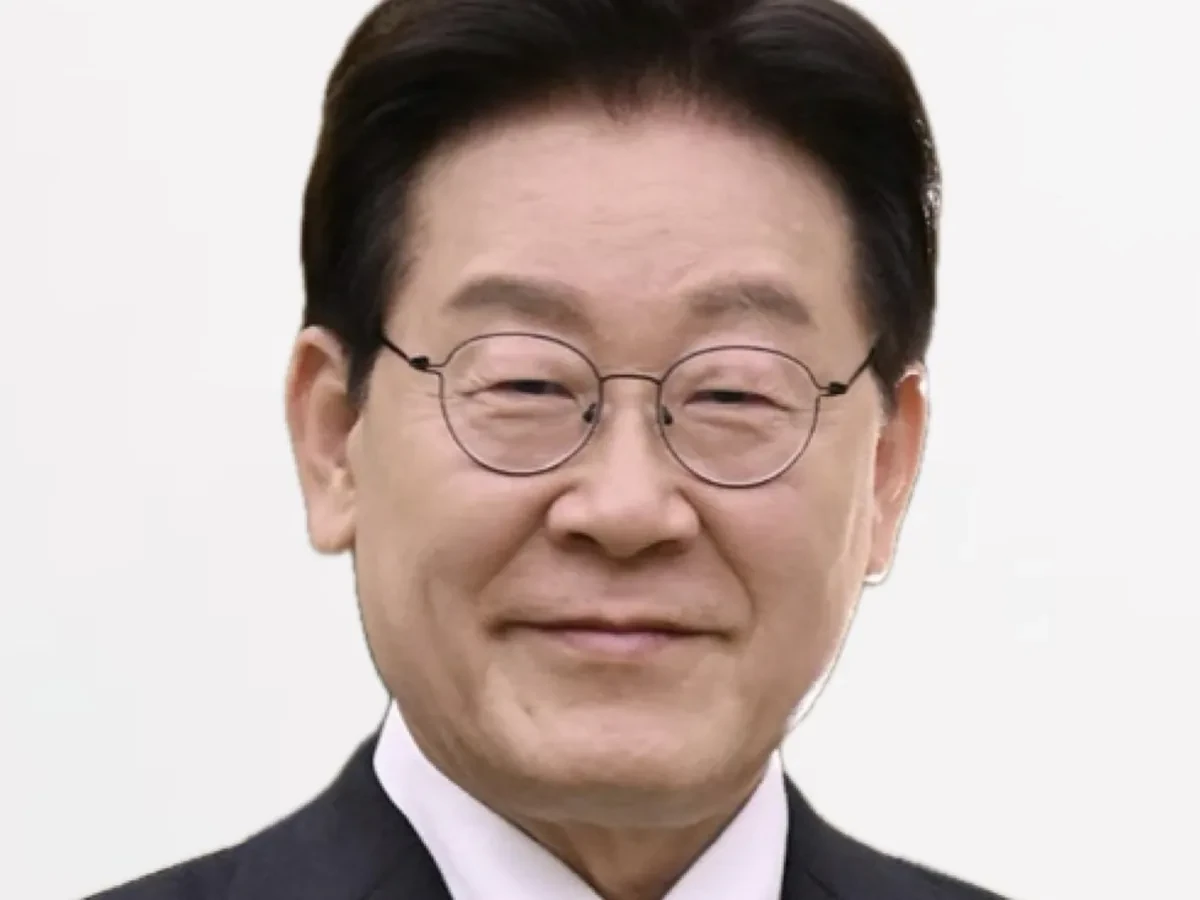
South Korean President Lee Jae Myung will leave on July 24 for an 11-day trip spanning San Francisco, Brazil, Chile, Argentina and Germany, his office announced on July 22. The itinerary includes an artificial-intelligence summit with Jensen Huang, Sam Altman and Dario Amodei; meetings with six major venture-capital firms; and separate talks with the presidents of Brazil, Chile and Argentina.
The schedule joins two policies that are often discussed separately. Seoul wants more control over the computing, investment and talent needed for AI, while also seeking new export markets and secure access to minerals and energy. The trip treats technology policy and commercial diplomacy as parts of the same negotiation.
Lee is using presidential access to connect Korean industrial groups with AI suppliers, long-term capital and South American resources. The tour will matter only if it produces instruments that companies can use: a funded investment partnership, a dated trade negotiation, procurement commitments or mineral projects with clear governance. Memorandums and photographs are starting points, not outcomes.
San Francisco puts capital beside computing
National Security Adviser Wi Sung-lac said Lee would attend the AI summit and meet Nvidia chief executive Jensen Huang, OpenAI chief Sam Altman and Anthropic chief Dario Amodei. Samsung Electronics chairman Jay Y. Lee, SK Group chairman Chey Tae-won and Hyundai Motor executive chair Euisun Chung are also scheduled to attend.
The combination is deliberate. Nvidia supplies the accelerators underlying much of the AI economy. OpenAI and Anthropic are leading model developers. Samsung, SK and Hyundai bring memory, manufacturing, vehicles and large balance sheets. A summit that aligns those interests could affect chip supply, data-centre investment, industrial software and research partnerships.
South Korea already occupies a critical point in the hardware stack through Samsung Electronics and SK Hynix, major producers of high-bandwidth memory. Its vulnerability lies in dependence on external model platforms and accelerator road maps. Meeting the three U.S. executives does not eliminate that dependence, but it can create earlier visibility into capacity and product needs.
Lee is also due to meet executives from Andreessen Horowitz, General Catalyst, Sequoia Capital and three other venture firms. His office said the National Pension Service would attend a memorandum ceremony covering a long-term partnership with the investors. The pension fund’s scale gives the event weight, but also raises a governance question: public retirement capital must pursue risk-adjusted returns, not diplomatic symbolism.
A useful agreement would specify mandates, decision rights, fee structures and how Korean startups or funds gain access without distorting investment discipline. The observable metrics are capital committed, investments completed and distributions over time. A broad promise of cooperation would be harder to evaluate.
South America is more than a market visit
Lee will hold summits in Brazil, Chile and Argentina. Seoul wants to reopen negotiations on a trade agreement with Mercosur, the bloc that includes Brazil and Argentina, and modernise its existing free-trade agreement with Chile. Wi said energy, food and critical minerals would also be on the agenda.
The geography fits Korean industrial needs. Electric vehicles, batteries, electronics and data centres depend on lithium, copper and other materials found in the region. Brazil also offers a large consumer market and agricultural supply; Chile has longstanding trade ties with Korea; Argentina is seeking investment while managing sharp economic volatility.
Trade diplomacy can reduce tariffs and improve rules, but mineral security requires more. Projects need permits, power, water, logistics and local acceptance. Offtake contracts can secure supply while leaving price risk with the buyer. Equity investment creates more control but exposes Korean companies to construction and political risk.
The recent reset of Honda’s electric-vehicle plan showed that demand assumptions can shift faster than industrial investment. Korean groups should not treat every critical-mineral asset as scarce at any price. They need projects that remain economic across commodity cycles and technology changes.
The delegation reveals Lee’s operating model
Lee is bringing the heads of three of South Korea’s most consequential industrial groups into the AI discussion. That can compress months of separate conversations into a single forum. It can also make policy appear to favour incumbents if smaller companies have no route into the resulting partnerships.
The administration can address that risk by publishing eligibility rules for any programs created on the trip and measuring participation beyond the conglomerates. Venture funding, cloud credits, research exchanges and overseas procurement can reach startups if access is designed explicitly. Otherwise, the tour may strengthen firms that already have the easiest path to global executives.
Lee’s AI agenda also follows important organisational moves inside Korean business. Samsung has placed robotics under a CEO-level RX division, and NAVER is pushing agents deeper into its domestic platform. Government diplomacy can improve inputs and market access, but those companies remain responsible for products, costs and customers.
Germany is the final stop, adding another advanced-manufacturing and trade relationship to the itinerary. The presidential office has provided less commercial detail about that leg. Its value will depend on whether the visit addresses specific industrial cooperation rather than serving as a concluding diplomatic engagement.
Announcements need dated follow-through
The tour carries scheduling risk before it begins. Five countries in 11 days leave limited time for negotiation, and the presence of many high-profile executives can produce broad statements that defer hard choices. Mercosur talks have their own internal politics; pension partnerships require diligence; critical-mineral projects can take years.
Four follow-up indicators will show whether Lee’s approach works. The first is a formal timetable for Korea–Mercosur negotiations. The second is the amount and structure of any National Pension Service venture partnership. The third is a named AI infrastructure or research agreement involving Korean companies. The fourth is a mineral, energy or food project that advances from discussion to contract.
Lee is presenting South Korea as a country that can connect advanced manufacturing, pension capital and technology demand. The strategy is coherent, but its parts move at different speeds. An AI supply agreement can be signed quickly; a trade pact or mine cannot. The administration’s real test begins after August 3, when each announcement needs an owner, a deadline and a public measure of progress.
Documents and reporting: the South Korean presidential office’s July 22 briefing, National Security Adviser Wi Sung-lac’s statements and Reuters. Photograph: Lee Jae Myung, President’s Secretariat of India, Government Open Data License–India; cropped for publication.