Nintendo’s fiscal year to March 2026 delivered the kind of launch that can reshape a company’s earnings base. Switch 2 hardware sold 19.86 million units after its June 2025 release. Mario Kart World sold 14.70 million copies including bundles, while Donkey Kong Bananza reached 4.52 million. Net sales almost doubled to ¥2.313 trillion and profit attributable to owners of the parent increased 52.1 per cent to ¥424.0 billion.
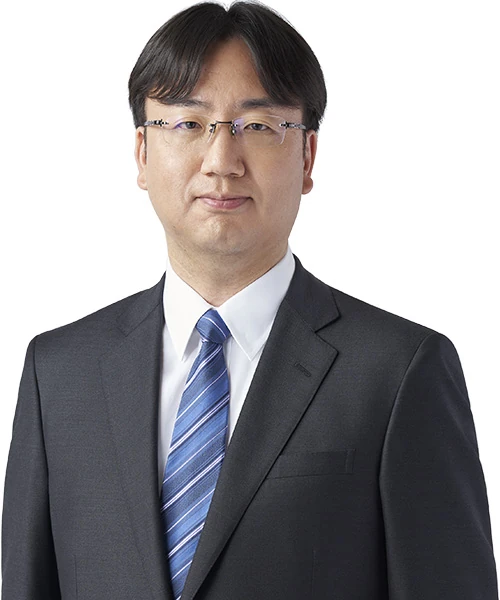
For president Shuntaro Furukawa, the figures confirm that Nintendo managed the hardest operational stage of a console transition: creating sufficient demand, supplying the market and persuading a large number of existing players to move onto new hardware. They do not settle the economics of the platform. Revenue grew 98.6 per cent, but gross profit increased 28 per cent and operating profit rose 27.5 per cent to ¥360.1 billion. Launch hardware brought scale, but not the margin expansion implied by the top line.
The second fiscal year is therefore the more revealing leadership test. Nintendo expects Switch 2 sales to moderate to 16.5 million units in the year to March 2027, while changes in component and trade conditions have led it to raise hardware prices in important markets. Furukawa must keep the installed base expanding despite a higher entry price, increase software spending per user and ensure that the new platform develops an identity stronger than improved performance alone.
Nintendo’s advantage is unusual. It controls globally recognised characters, develops system-defining software and sells the hardware on which those experiences run. Its challenge is equally persistent. Console demand is cyclical, each generation requires a difficult transition and a small number of releases can determine annual performance. The Switch model reduced that volatility by combining handheld and home play in one platform. Switch 2 must now extend the model without appearing merely incremental.
A successful launch creates a demanding comparison
First-year success pulls demand forward. Enthusiasts, families already invested in Nintendo and buyers attracted by Mario Kart World have entered the installed base. The next cohort may be more price-sensitive and less convinced that an upgrade is necessary. Furukawa has acknowledged that higher prices increase the barrier for customers considering a purchase. Nintendo’s answer must be software that makes the hardware feel indispensable.
A launch title can explain a machine in minutes. Mario Kart World did so by offering a familiar franchise at a scale and fluidity associated with the new system. The second year needs several reasons to buy rather than one. Nintendo’s internal studios must deliver, but third-party publishers also need confidence that the audience will purchase their games and that development costs can be recovered.
The company should avoid measuring ecosystem health only through unit sales. A platform can post a strong hardware number while software engagement concentrates in bundles and first-party titles. Furukawa needs to watch active users, paid software per console, third-party revenue, digital participation and retention across regions. A diverse catalogue reduces dependence on the timing of Nintendo’s own largest releases.
Backward compatibility with the original Switch is valuable because it preserves libraries and lowers migration friction. It can also delay purchases of new software if users spend their time on existing games. The strategic answer is not to limit compatibility, which would damage trust, but to create new experiences that use Switch 2 capabilities in visible ways while allowing older favourites to retain value.
Hardware pricing changes the value equation
Nintendo announced a significant Japanese price increase for Switch 2 in May 2026, citing changes in market conditions and the global outlook. The decision reflects pressures that include component costs and international trade conditions. It protects unit economics, but it changes the adoption curve and increases scrutiny of what buyers receive.
Furukawa’s responsibility is to keep pricing coherent across hardware, games, subscriptions and accessories. Raising the console price while also increasing software prices too aggressively could narrow the audience that made the first Switch distinctive. Subsidising hardware heavily would preserve unit volume but place pressure on profits and reduce the capital available for software development.
Nintendo has historically resisted competing mainly through raw specifications. That discipline remains sound. The company should communicate value through play, durability, family use and a catalogue that spans generations. Bundles can soften the apparent entry cost if the included software has enduring appeal. A broader range of hardware configurations may eventually segment the market, but too many variants early in the cycle would complicate production and confuse consumers.
Cost management must not undermine reliability. The scale of the installed base means even a low defect rate can become expensive and reputationally damaging. Supply-chain decisions should preserve quality, repairability and security while diversifying exposure to geopolitical disruption. A console is a long-lived consumer relationship; the margin on the initial unit is only one part of its value.
Software determines lifetime value
Switch 2 software sales reached 48.71 million units in the fiscal year, a substantial start but one that must rise as the installed base matures. Hardware revenue is recognised once. Software, downloadable content and subscriptions can continue throughout the cycle, usually with better economics. Furukawa’s capital allocation should therefore favour a dependable release cadence and development capacity over short-term hardware volume.
Nintendo’s creative model benefits from patience, but long gaps between major releases can expose the platform. The company has expanded internal development and works with outside studios, yet simply increasing headcount does not guarantee distinctive games. Management needs to protect small-team experimentation while giving successful concepts access to production resources. Sequels should extend ideas rather than fill a calendar.
Third-party support requires a different form of stewardship. Publishers need tools, documentation and predictable certification. They also need evidence that users buy games beyond Nintendo’s own catalogue. Furukawa should make it easier to bring high-quality titles to Switch 2 without allowing the digital store to become crowded with low-value material that makes discovery harder.
Digital sales and Nintendo Switch Online can smooth the cycle. Digital distribution reduces inventory risk and allows a longer commercial life for niche titles. The subscription service can deepen retention through online play, classic games and system features. But recurring revenue should be earned through continuing usefulness rather than by placing basic functions behind a paywall.
Intellectual property can widen the funnel
Nintendo’s characters now appear in films, theme parks, merchandise and mobile experiences. These activities produced ¥73.5 billion of IP-related income in the year to March 2026, small beside dedicated video-game platform sales but strategically useful. They introduce characters to people who may not own a console and create revenue that is less tied to hardware launches.
Furukawa should treat expansion as a funnel back into deeper engagement, not simply a licensing opportunity. A film can reach hundreds of millions of people, but the long-term value lies in whether it strengthens affection for the underlying worlds and encourages participation in games, parks and products. Quality control matters more than release volume because a weak adaptation can diminish an asset built over decades.
The company’s relationship with The Pokémon Company illustrates both value and complexity. Nintendo’s annual report identified a larger contribution from equity-accounted entities, with Pokémon’s significance reflected more visibly in ordinary profit. Pokémon titles can drive hardware demand, as Pokémon Pokopia did late in the fiscal year. Governance must balance the interests of multiple owners while maintaining technical quality and a release cadence that protects the franchise.
The original Switch should not be abandoned
The first Switch sold another 3.80 million units in its tenth year, showing that it remains relevant in parts of the market. Managing two generations can broaden reach, particularly where price sensitivity is high. It can also divide development and marketing resources.
Furukawa needs a graceful transition. Continued security updates, account support and selected software releases will preserve trust among more than 150 million original Switch owners. At the same time, the clearest new experiences should increasingly belong to Switch 2. The company should avoid artificial obsolescence while being honest about which ambitions require new hardware.
The account system is central to continuity. Purchases, identities, parental controls and subscriptions should move easily across generations. Nintendo’s historic weakness in online services makes this an area where reliability and simplicity can create disproportionate goodwill. A family that trusts its library and settings to survive an upgrade is more likely to remain inside the ecosystem.
Cash should support creative resilience
Nintendo’s balance sheet provides protection against the volatility of entertainment. That resilience allows development teams to delay a game that is not ready and gives management freedom to invest across a long cycle. The company also increased shareholder returns, including a revised dividend policy and substantial treasury-share purchases during the year.
Furukawa must maintain the balance between returning capital and preserving strategic patience. The most important investments may not produce immediate revenue: development tools, online infrastructure, studio capacity, film expertise and supply-chain resilience. Acquisitions should be selective because creative integration is difficult and Nintendo’s culture is part of its advantage.
The company should also resist interpreting the launch surge as a permanent cost base. Hardware transitions require marketing, logistics and research expenditure that may normalise. Permanent overhead built around an exceptional year would reduce flexibility when the cycle slows. Variable partnerships and disciplined project review can preserve capacity without institutionalising every launch expense.
The second-year measure
Furukawa has delivered the operational success that investors and players demanded from Switch 2’s launch. Nearly 20 million units in less than a full year create a meaningful platform, and the financial results demonstrate the power of combining hardware and owned intellectual property. The next task is to turn that installed base into an ecosystem whose value grows even as hardware comparisons become harder.
The evidence will be visible in software breadth, active engagement and profit mix. A healthy second year would show strong first-party releases, rising third-party participation, a useful online service and hardware demand resilient enough to absorb higher prices. It would also show that gross profit can grow more closely with revenue as software becomes a larger share.
Nintendo’s leadership is often described through creative intuition, but Furukawa’s role is equally one of economic design. He must decide how to price entry, sequence releases, allocate capital and protect a community across generations. If those choices are sound, Switch 2 will become more than a successful successor. It will extend the unified platform model that reduced Nintendo’s historic cycle risk and give its creative teams another long runway on which to build.