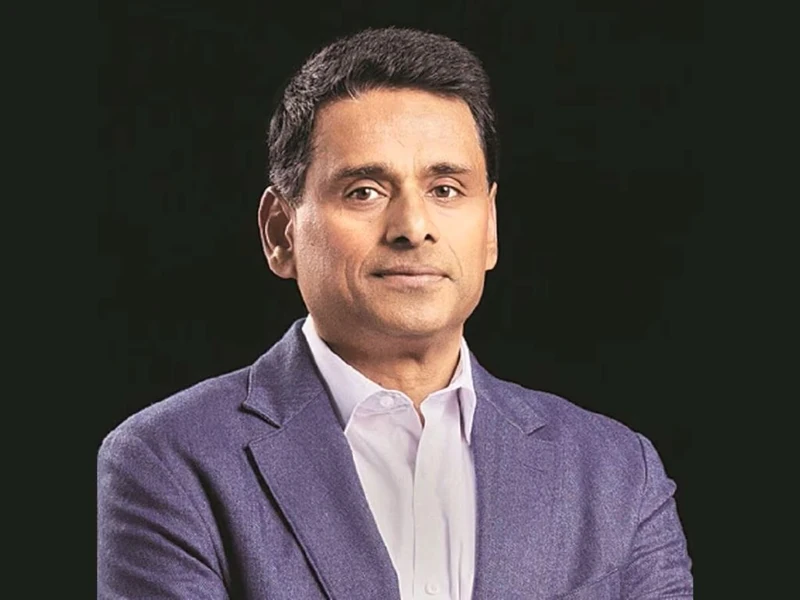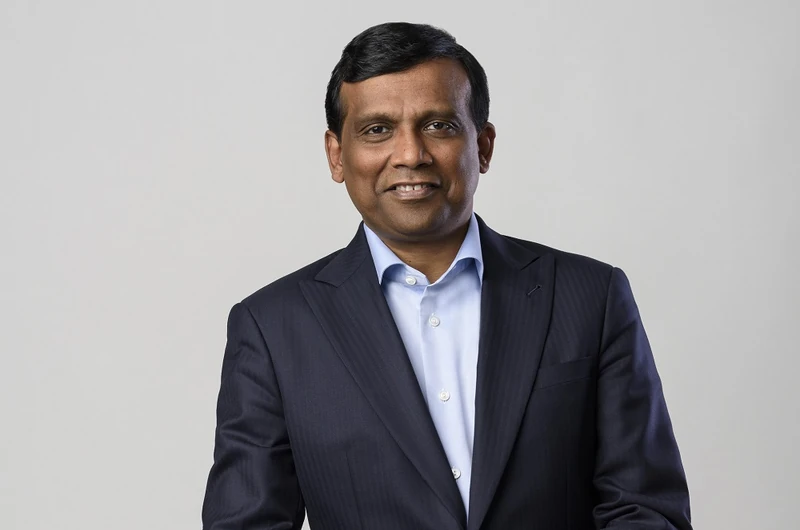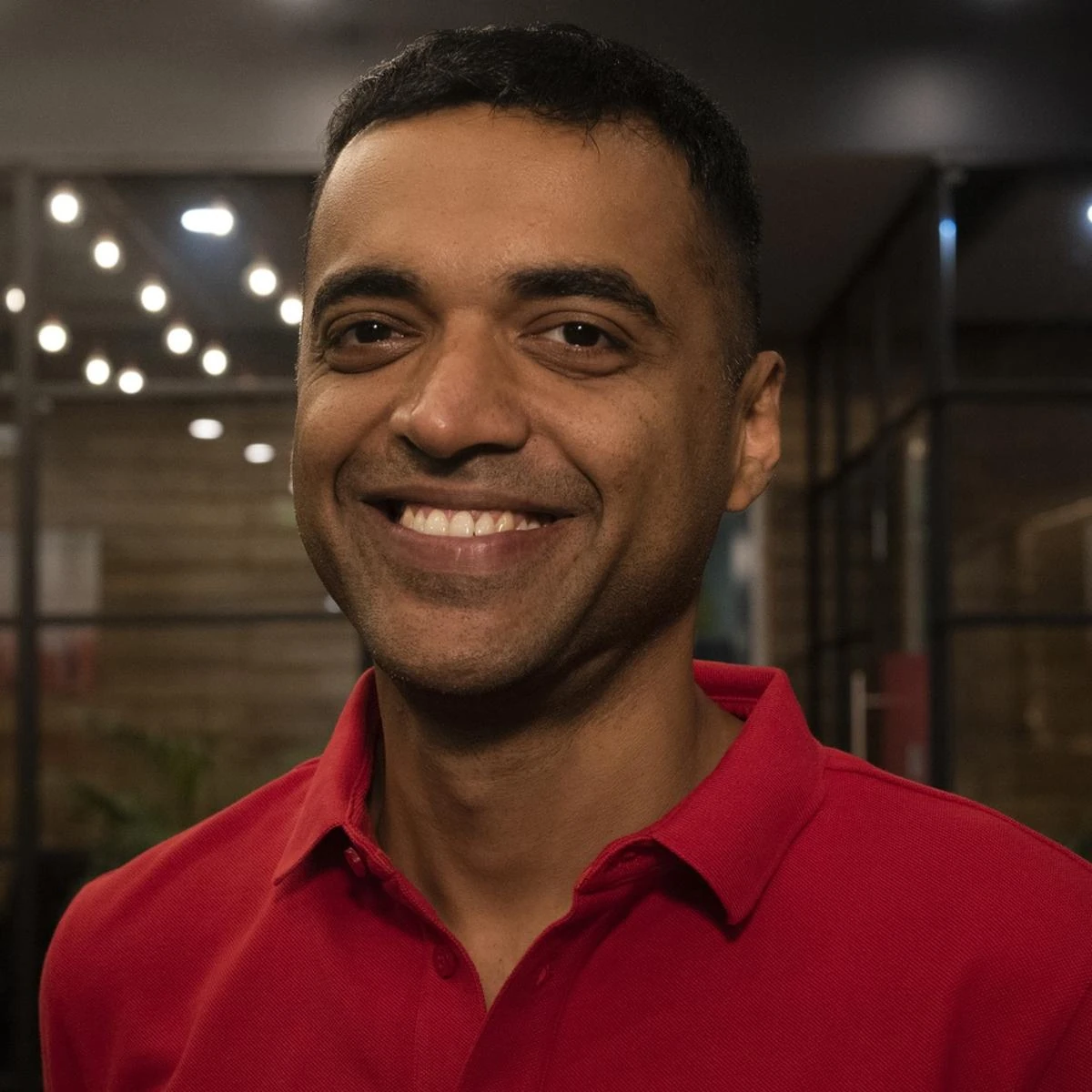
Deepinder Goyal is no longer Eternal’s chief executive. From 1 February 2026, Albinder Dhindsa became group chief executive and managing director, while Goyal moved to vice chairman and non-executive director. The distinction is more than a title correction. It is the central fact through which Goyal’s leadership should now be judged.
The transition came as the company he founded was becoming larger, more complex and increasingly defined by Blinkit. In fiscal 2026, 109 million Indians completed transactions worth more than $10 billion across Zomato, Blinkit and District. Fourth-quarter consolidated adjusted revenue reached ₹17,680 crore, up 186 per cent year on year on the reported basis and 64 per cent on a like-for-like basis. Business-to-consumer net order value rose 54 per cent to ₹26,880 crore, while consolidated adjusted EBITDA increased 160 per cent to ₹429 crore.
Those numbers make the succession more consequential, not less. Eternal has moved from a founder-led food-delivery company to a listed multi-business platform allocating substantial capital across food, quick commerce, going-out and business supplies. Dhindsa now carries formal operating accountability. Goyal’s role is to influence strategy, culture, leadership development and governance from the board without becoming an alternative executive channel.
Founder transitions often fail in the space between formal authority and lived authority. Employees, investors and partners may still look to the founder even when the chief executive has changed. If Goyal comments on operating choices, intervenes in appointments or sponsors projects outside the agreed process, Dhindsa’s accountability will be weakened. If he withdraws entirely, Eternal may lose valuable context and long-term ambition. The leadership challenge is to define a boundary that is both clear and useful.
Blinkit has changed the centre of gravity
Quick commerce is now the strategic engine around which Eternal’s capital debate revolves. Blinkit had more than 2,200 stores by March 2026 and helped drive rapid growth in customer activity and adjusted revenue. In the third quarter of fiscal 2026, quick commerce and Hyperpure reached adjusted EBITDA profitability for the first time, while quick-commerce net order value grew 121 per cent year on year. The company had also shifted much of the business from a marketplace structure towards inventory ownership, which makes reported revenue larger and operational control more direct.
Inventory ownership can improve availability, pricing and gross-margin capture, but it changes the risk. Eternal carries more working capital, shrinkage, expiry and merchandising responsibility. Store expansion commits leases, equipment and local teams before demand is fully proven. A dense network can become a powerful convenience infrastructure; a poorly selected network can turn growth into stranded fixed cost.
Dhindsa has the deepest operating experience in Blinkit and is therefore a logical group chief executive as quick commerce becomes central. Goyal must allow that expertise to determine the pace and detail of expansion. The board should set return expectations, risk limits and capital envelopes, but it should not manage store openings from above. A credible handover means the new chief executive can slow, accelerate or redesign the network without seeking informal founder permission.
The capital scorecard should look beyond order-value growth. Mature store contribution, time to breakeven, inventory turns, customer retention, basket economics and return on incremental capital are more useful. Cohort disclosure should distinguish established locations from expansion drag. Rapid growth is valuable when density creates better economics; it is dangerous when fresh openings continually conceal weak older cohorts.
Food delivery must remain a cash engine, not a funding captive
Zomato’s food-delivery business supplies brand strength, customer frequency and improving profitability. In the third quarter of fiscal 2026, food-delivery net order value growth recovered to 16.6 per cent and adjusted EBITDA margin reached a record 5.4 per cent of net order value. Its cash generation helps give Eternal the capacity to invest elsewhere.
That relationship needs discipline. A profitable core should fund high-return opportunities, but it should not become a captive subsidy for every adjacent idea. Food delivery still requires investment in reliability, restaurant relationships, customer value and delivery-partner economics. Excessive extraction could weaken the business whose stability supports the group.
Goyal’s board role should help enforce a capital framework across the portfolio. Blinkit, District and Hyperpure need to compete for funds against the returns available from strengthening the core or returning capital. Strategic narratives should not exempt new businesses from milestones. Nor should the founder’s personal enthusiasm determine which experiment receives a longer runway.
Eternal’s name was chosen to signal that the corporate entity could outgrow the Zomato brand. The architecture is sensible: consumer-facing businesses retain their identities while the listed parent allocates capital. The parent now needs the behaviour of a holding company, including comparable metrics, explicit hurdle rates and leaders who can close ventures as well as start them.
A non-executive founder must change how he receives information
As chief executive, Goyal could ask for any operating detail and act on it. As a non-executive vice chairman, his information should increasingly flow through formal board and governance processes. That does not mean ignorance. It means avoiding selective access that gives him executive power without executive accountability.
The board should agree which decisions require its approval, which belong to Dhindsa and which strategic questions Goyal is expected to develop. Communication with senior executives should not bypass the chief executive on matters within their functions. Founder mentoring can be valuable, but employees need to know whether a conversation is advice or direction. Ambiguity will encourage political escalation and slow decisions.
Board materials must also mature with the group. They should connect customer growth to unit economics, describe regulatory and labour exposure, compare capital returns across businesses and show downside scenarios. Goyal can add value by asking questions that extend beyond the next quarter. Independent directors add value by ensuring that founder vision is tested against evidence and shareholder duty.
Eternal’s official governance page identifies Goyal plainly as vice chairman and non-executive director. The company should preserve that clarity in practice. Markets will infer the real structure from appointments, disclosures and who explains performance. Dhindsa should be visible as the accountable group leader, particularly when outcomes are difficult.
Exploration belongs outside the listed company until it earns entry
Goyal stepped away from the chief executive role in part to pursue higher-risk exploration and experimentation that may not fit easily within a listed company. That can be a rational division. Founders often retain an appetite for uncertain projects that a scaled operating company is not designed to host. Separating them can protect Eternal’s resources and allow experimentation to proceed with appropriate capital.
The separation must be governed carefully. Potential conflicts include talent, data, intellectual property, related-party transactions and the founder’s time. Eternal should have clear policies for any project that could overlap with its businesses. If the listed company is offered an opportunity, the board needs an independent process to decide whether to invest, partner or decline. Shareholders should not bear early risk implicitly and then pay a premium if an outside founder project succeeds.
Goyal’s public association can also blur boundaries even when legal structures are separate. Employees and counterparties may assume that a venture carries Eternal’s support. The company and the founder should state relationships accurately and avoid shared resources without documented terms. Clean separation protects both sides.
Growth makes social and regulatory execution strategic
Eternal’s platforms influence restaurants, merchants, delivery partners and urban retail patterns at national scale. Quick commerce raises questions around labour conditions, road safety, packaging, local retail competition and the economics of extreme speed. Inventory ownership adds food and product-safety responsibilities. Going-out services bring merchant terms and ticketing practices into view.
These are not peripheral reputation matters. Regulation can change cost structures and limit operating choices. Eternal has targets including fully electric food-delivery activity by 2030 and has supported delivery partners through various programmes, but scale will require stronger measurement and consultation. The board should examine whether incentives create unsafe behaviour, whether earnings are communicated transparently and how social-protection rules affect unit economics.
A founder vice chairman can use his influence to make long-term externalities visible before they become compliance crises. He should resist treating regulatory concern as evidence that officials do not understand innovation. Durable convenience depends on public legitimacy as well as consumer demand.
The success metric is a company that no longer needs permission
Goyal’s historic contribution is embedded in Eternal’s culture, brands and willingness to enter adjacent markets. The test of his next phase is whether those qualities can operate without his daily approval. Leadership succession is successful when the new chief executive can make consequential choices, develop other leaders and own both good and bad outcomes.
Investors should watch several signals. Does Dhindsa control capital and appointments? Are business leaders accountable through him? Does the board disclose conflicts and related opportunities clearly? Are Goyal’s external experiments separated? Does Eternal’s performance discussion increasingly reflect an institution rather than one founder’s voice?
The handover has begun from a position of growth. That reduces immediate pressure but can make blurred authority easier to tolerate. The real test will come when Blinkit’s expansion disappoints, regulation tightens or a portfolio choice requires retrenchment. In that moment, Eternal must have one executive decision-maker and a board that challenges without taking over.
Goyal has often demonstrated the courage to reinvent the company. Moving out of the chief executive role may be the most institutional form of reinvention available to him. If he can provide ambition without shadow management, Eternal will gain something more valuable than permanent founder control: a repeatable capacity to renew its leadership. Letting go, in that sense, is not an exit. It is the work required to make the company outlast its creator.