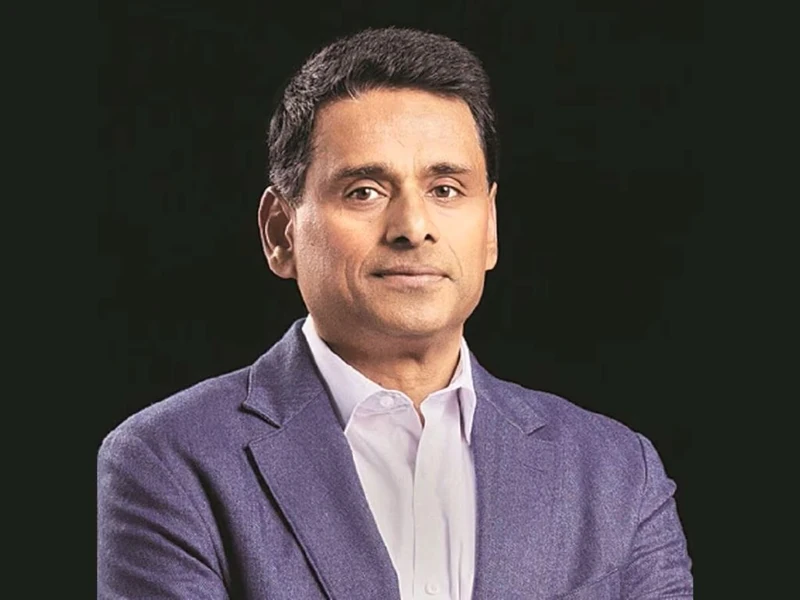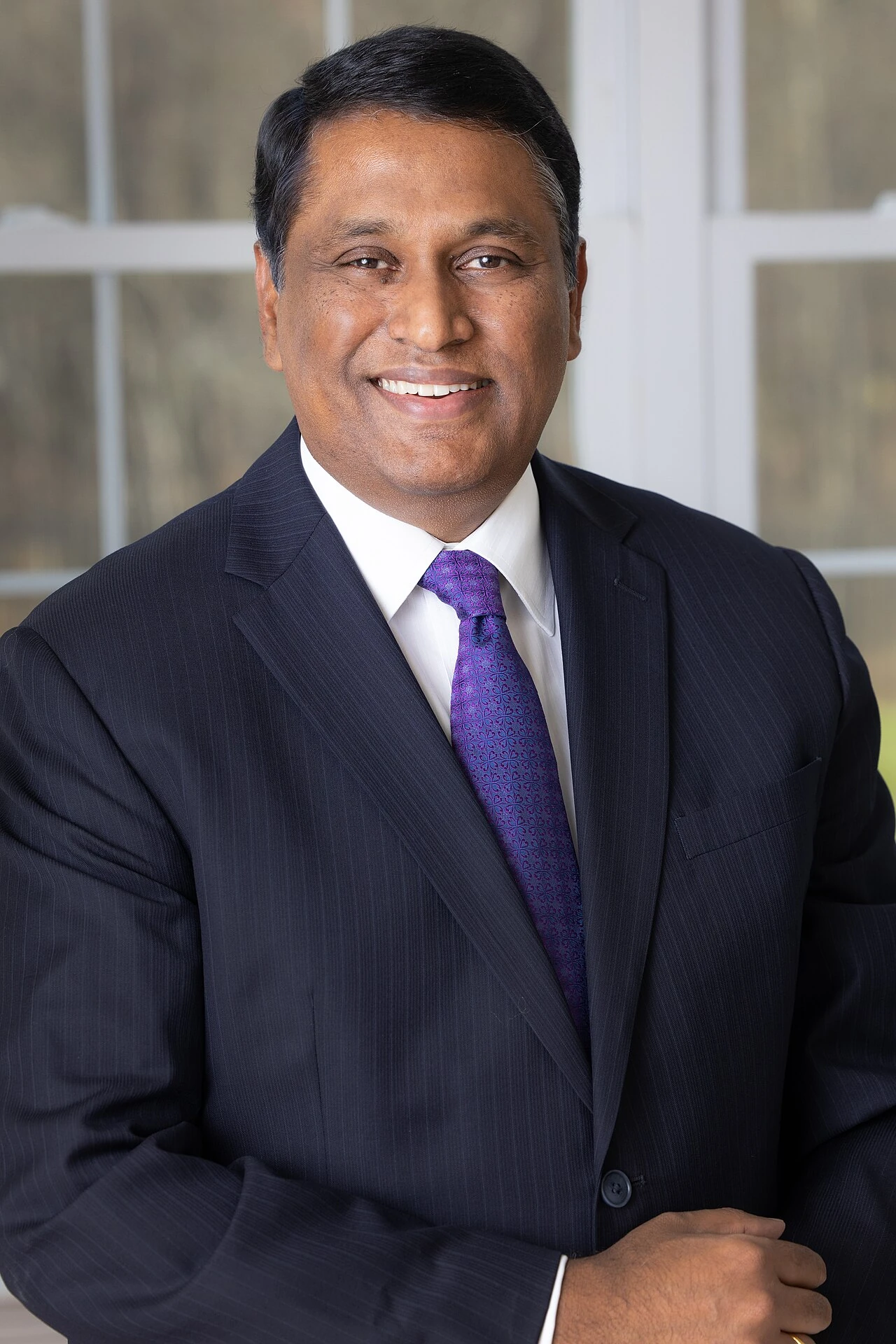
HCLTech’s first-quarter results contained a strategic choice disguised as a capital announcement. The company plans to invest up to ₹3,500 crore in artificial-intelligence data centres, with potential capacity of 50 megawatts. For C. Vijayakumar, the move extends a full-stack proposition from engineering, software and services into the physical infrastructure on which AI workloads run. It may allow HCLTech to offer regulated and industrial clients more control. It also introduces utilisation, power and technology risk into a business valued for services economics.
The timing is supported by demand. Revenue for the quarter ended June 2026 reached $3.65 billion, up 3 per cent year on year and 2.6 per cent in constant currency. Net new bookings of $2.4 billion were the strongest for any first quarter. Advanced AI revenue rose 62.1 per cent year on year in constant currency to $171 million. Excluding restructuring costs, EBIT margin was 17.5 per cent, while management retained full-year constant-currency revenue guidance of 1 to 4 per cent and an EBIT margin range of 17.5 to 18.5 per cent.
These figures describe a company gaining AI traction while total growth remains measured. Vijayakumar has been reappointed through March 2030, giving him unusual time to pursue a capital-intensive thesis. The long mandate is useful because data-centre returns cannot be judged in a few quarters. It also concentrates accountability. HCLTech must show that infrastructure ownership strengthens its engineering and software businesses rather than merely adding revenue at a lower return.
Full stack must mean more than more assets
HCLTech already spans cloud operations, digital engineering, software products, cybersecurity and enterprise services. Adding AI data centres can create an integrated path from facility design and chips to models, applications and managed operations. For clients that want sovereign control or dedicated capacity, one accountable provider may reduce procurement and integration complexity.
The advantage depends on where HCLTech controls something scarce. Buildings and servers are available from specialist operators and cloud companies, though capacity can be constrained. HCLTech’s differentiation is more likely to come from designing infrastructure around workloads, connecting it to software and operating it under industry-specific controls. The company should avoid competing as a commodity landlord. Every facility needs contracted customers or a clear role in enabling higher-margin services.
Capacity discipline is essential. AI chips are expensive and can become obsolete quickly, while power connections and cooling systems require long lead times. A 50-megawatt ambition should be staged according to bookings, utilisation and customer concentration. Vijayakumar can use partnerships and modular expansion to preserve options. Building ahead of demand may secure supply, but it can also turn a technology-services balance sheet into a bet on hardware cycles.
The company must report the economics separately enough for investors to understand them. Revenue from data-centre capacity, managed cloud, software and transformation services has different margins and capital intensity. Bundling can improve the client proposition, but it should not obscure returns. Metrics such as contracted capacity, utilisation, capital employed and services attached per infrastructure customer would reveal whether the full-stack strategy creates value.
Engineering is the strongest route to differentiation
HCLTech’s heritage in engineering and research services gives it exposure to physical products as AI moves beyond office workflows. First-quarter wins included an AI-enabled automotive chip, navigation for an autonomous robot and an expanded AI factory programme. These projects require knowledge of hardware, embedded software, safety and product lifecycles. They are more difficult to commoditise than generic chatbot development.
Physical AI also carries more severe consequences. A flawed recommendation in a document can be corrected; a mistake in a vehicle, robot or industrial system can damage equipment or people. Vijayakumar must build assurance into the commercial model. Simulation, verification, traceability and human override should be sold as essential engineering, not treated as overhead. HCLTech can command a premium if it demonstrates that speed and safety reinforce one another.
The semiconductor relationship is similarly valuable. Designing AI-enabled chips and operating AI infrastructure can create insight across the stack. Yet client confidentiality and conflicts need careful management. A services group working with competing technology companies must maintain strict information barriers and neutral procurement. Any perception that infrastructure decisions favour a particular semiconductor partner could limit the addressable market.
Engineering-led contracts can also deepen recurring revenue. After helping design a system, HCLTech can support software updates, data operations, security and field performance. The opportunity is to convert project knowledge into long-term managed services without locking customers into inflexible technology. Open interfaces and portable data may reduce short-term switching barriers but increase trust and lifetime value.
Software and services need one operating logic
HCLSoftware’s annual recurring revenue was $1.06 billion in the June quarter, up 2 per cent in constant currency. The software portfolio gives HCLTech intellectual property and recurring economics, but modest growth suggests that ownership alone does not guarantee momentum. Vijayakumar needs a clear rule for how products support services and how services expand products.
AI can improve existing software through intelligent operations, data management, security and collaboration. It can also make older products vulnerable to cloud-native alternatives. Investment should focus on products with defensible customers, integration advantages and a credible modernisation path. Maintaining a broad catalogue for revenue preservation can absorb engineering capacity that would produce better returns elsewhere.
The same discipline applies to internal platforms such as AI Force, Foundry and Labs. A portfolio of branded capabilities can help sales conversations, but clients experience a workflow, not an organisational chart. HCLTech should reduce overlap, provide consistent governance and measure reuse across projects. Successful components should become common delivery infrastructure; weak ones should be retired rather than retained as marketing inventory.
Services growth of 4.2 per cent in constant currency, faster than the group, indicates that client demand remains concentrated in execution. The full-stack strategy should increase the value of that execution by attaching software and infrastructure where justified. It should not force every services deal into a proprietary stack. Clients will resist an integrator that uses advice to sell owned assets regardless of fit.
Investment must coexist with margin credibility
The full-year EBIT margin guidance of 17.5 to 18.5 per cent sets a clear boundary around investment. First-quarter results, excluding restructuring costs, were at the bottom of that range. Data-centre spending, talent and AI product development will create pressure. Vijayakumar needs to show whether margin improvement comes from productivity, mix and pricing rather than postponing costs.
Revenue per employee rose 3.3 per cent year on year to an annualised $65,500, evidence of improving productivity and mix. AI should extend that trend, but the metric can rise for several reasons, including currency and subcontractor use. Management should connect productivity with quality, employee development and client outcomes. Cutting the workforce while shifting cost into infrastructure would change the appearance of efficiency without necessarily increasing returns.
The group had more than 223,000 employees at quarter-end. Training them for full-stack work is a large organisational task. Sales teams need to recognise capital and power constraints; engineers need model and data skills; infrastructure teams need to understand application outcomes. Cross-functional accountability is essential because a poorly scoped contract can leave HCLTech owning idle capacity or unpriced performance risk.
Capital returns should be assessed at the client-solution level. A data-centre investment may have a lower standalone margin but support valuable software and services. That can be rational if the combined return exceeds the cost of capital and the dependencies are contractual. Vague ecosystem benefits are not enough. Vijayakumar should establish hurdle rates and downside scenarios for utilisation, energy prices and hardware depreciation.
Financing structure matters as well. HCLTech can own strategic computing equipment while leasing facilities, partner with infrastructure investors or contract capacity from operators. Each approach allocates obsolescence and utilisation risk differently. The company should match the asset to the advantage it wants to preserve. Long commitments may secure power and chips, but they also reduce flexibility as model architectures change. A staged portfolio of ownership, leases and cloud access would protect optionality better than treating full-stack control as synonymous with owning every layer.
The long mandate raises the standard
Vijayakumar’s reappointment to 2030 offers continuity in a market undergoing structural change. It allows HCLTech to invest beyond the next earnings cycle and build partnerships around a coherent architecture. Continuity, however, can also reduce internal challenge. The board must scrutinise capital deployment, related technology choices and whether the full-stack narrative remains responsive to customer evidence.
The record $2.4 billion of Q1 bookings and rapid AI growth provide a strong starting point. The portfolio covers areas where enterprise demand is real: modernisation, infrastructure, engineering, cybersecurity and controlled AI. The risk is not lack of opportunity. It is attempting to capture too many layers and accepting capital intensity without sufficient pricing power.
HCLTech can win by owning the points where integration, control and domain knowledge matter, while partnering for commodity capacity. Its engineering DNA gives it a credible claim in physical and industrial AI. Its software can provide reusable control. Its services relationships provide distribution. The pieces fit, but only disciplined contracts and transparent returns will prove that the combination is worth more than the parts.
In 2026, Vijayakumar is moving HCLTech from an AI services provider towards an operator of AI infrastructure. That is a consequential strategic expansion, not a routine capacity plan. If the data centres pull through higher-value engineering and managed services, the investment may deepen the moat. If they become underused assets in a fast-changing hardware market, they will expose the cost of confusing stack breadth with strategic control.