Mastek reported consolidated revenue of ₹9.85 billion for the first quarter of fiscal 2027, up 7.7% from a year earlier at constant currency, as the India-based technology services group booked 43 artificial-intelligence deals and lifted its AI order book to $64 million. The order figure more than doubled from $27.5 million in the previous quarter; the number of AI contracts rose 59% from 27.
The July 22 results put a measurable value behind chief executive Umang Nahata’s effort to recast Mastek as an AI transformation company in selected industries. They also show why the shift is not yet a clean earnings story. Operating earnings before interest, tax, depreciation and amortisation reached ₹1.51 billion, but the 15.4% margin was 71 basis points lower than in the fourth quarter. Revenue expanded while utilisation, collections and business mix moved in less helpful directions.
Mastek has proved that clients will sign AI-linked work; it still has to prove that those contracts convert into revenue at a margin that improves the wider company. The observable test is not the number of projects carrying an AI description. It is the pace at which the $64 million order book enters reported sales, lifts utilisation and supports operating margin through the second half of the financial year.
Orders grew faster than the delivery engine
Mastek’s investor presentation showed broad progress. Profit after tax increased 15% year on year to ₹1.06 billion, while its 12-month order backlog rose 25% in rupee terms to ₹29.35 billion. The company added 13 clients and ended the quarter with 4,897 employees, up from 4,730 three months earlier. Attrition improved to 16.4% from 17.4% in the preceding quarter and 19.5% a year earlier.
Several operating indicators moved the other way. Active clients declined to 309 from 326, utilisation excluding leave slipped to 83.9% from 85.7%, and days sales outstanding rose to 75 from 73. The last figure remained better than the 82 days recorded a year earlier, but management linked the sequential deterioration partly to delayed collections and project timing in the Middle East.
Those details explain the margin result more clearly than the top-line figure. Mastek provisioned for doubtful debt, absorbed a less favourable service mix and faced higher regulatory costs in Britain. It also prepared employees for contracts expected to ramp later in the year. Hiring before revenue can be sensible, but the period between the two depresses utilisation and creates execution risk if clients postpone starts.
The company’s geographic mix concentrates that risk. Britain and Europe generated 67.3% of quarterly revenue, up from 63.8% a year earlier. North America contributed 21.7%, while Asia, the Middle East and Africa fell to 11%. A large British public-sector base provides contract visibility, yet it also exposes Mastek to procurement schedules, wage costs and regulatory changes in one market.
The AI order book is becoming specific
The strongest part of the disclosure is its detail. Of the 43 AI deals, 25 came from the United States, 15 from Britain and Europe and three from Asia, the Middle East and Africa. Government and education produced 13; healthcare and life sciences, and manufacturing and technology, each contributed nine. This is more useful than a single company-wide AI revenue claim because it shows where clients are paying.
One five-year North American engagement involving Salesforce Agentforce is valued at $25 million and is expected to begin contributing more meaningfully in the second half. Other disclosed projects include hospital systems, public-service platforms and industrial automation. Mastek is using its own internal program, called Customer Zero, to test AI in recruitment, sales forecasting and back-office work before offering similar changes to clients.
The approach differs from selling a general-purpose model. Mastek is combining software engineering, cloud implementation and sector knowledge, then adding agents or automation to a contract. That makes existing customer relationships an advantage, but it also means competitors can pursue the same budgets. TCS is already reporting a multibillion-dollar AI services run rate, while global consulting groups can bundle strategy, data and implementation.
Fixed-price work increased to 43.1% of revenue from 39.7% a year ago. The mix can protect clients from cost overruns and reward Mastek if its tools reduce delivery time. It can also shift risk onto the supplier when an agent fails, a data migration expands or a regulatory requirement changes. AI-assisted coding improves productivity only when output is tested, integrated and maintained with fewer hours than the conventional process.
Cash collection and margins set the next threshold
Mastek ended the quarter with ₹9.45 billion in cash and equivalents after variable-pay disbursements and debt repayment. The liquidity provides room to hire, invest in proprietary tools or pursue acquisitions. It does not remove the need for discipline. A services company ultimately funds itself through billing and collection; rising receivable days can consume cash even while accounting profit improves.
Management expects fiscal 2027 to be better than the previous year, with British healthcare returning to sequential growth and North American contracts ramping later. It did not issue a specific full-year revenue or margin target. Employee increments and equity compensation will add pressure in the second quarter, while Middle Eastern work remains difficult to time.
The share price fell after the results, indicating that the market focused on those near-term constraints rather than only on AI orders. That response is a useful check on promotional language. The company’s data, automation and AI service line accounted for 13.4% of revenue, up from 12.2%; it is growing, but half of sales still came from digital and application engineering.
Mastek’s transformation will become more credible if the two categories stop being treated as separate. AI should shorten engineering cycles, improve fixed-price economics and deepen existing accounts. Readers following IBM’s attempt to make software growth outrun infrastructure cycles will recognise the same requirement: a new label matters only when it changes the income statement.
Three figures will settle the next phase. The first is conversion of the $64 million AI order book into recognised revenue. The second is utilisation as newly hired staff move onto paying work. The third is operating margin after increments, provisions and the contract mix are absorbed. If all three improve together, Nahata will have evidence of a business-model shift. If order announcements rise while margin and collections lag, Mastek will have built demand faster than its delivery economics.
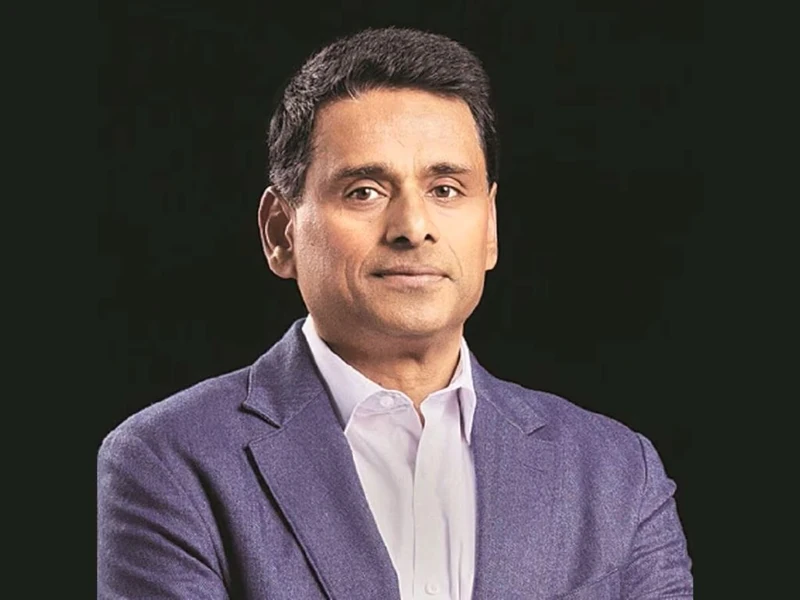
Financial record: Mastek’s Q1 FY2027 presentation, company disclosures and July 22 earnings commentary, checked against independent market coverage. Photograph: Umang Nahata, official Mastek leadership portrait; © Mastek, cropped for editorial use.