Super Micro Computer said on July 21 that it received more than $60 billion of new orders in its fiscal fourth quarter, pushing backlog to a record level. The company expects revenue for the three months ended June 30 to land near the low end of its $11 billion to $12.5 billion guidance, while preliminary gross margin is expected between 15% and 17%—almost twice the 8.2% to 8.4% range it had previously forecast.
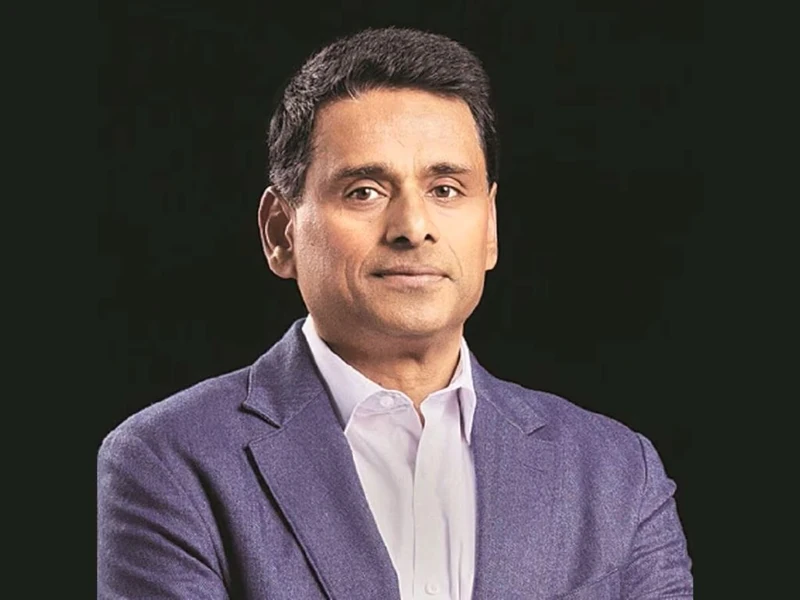
The combination is more revealing than the order number alone. Demand for AI servers appears abundant, yet recognized revenue did not reach the top of management’s range. The surprise came from profitability, which Supermicro attributed to favorable customer and product mix. Chief executive Charles Liang now has to prove that the margin improvement is durable and that the backlog can be delivered without another surge in inventory, receivables and financing needs.
Supermicro’s immediate constraint has moved from winning AI infrastructure demand to converting unusually large orders into accepted systems and cash. The company will publish final results on August 11. Until audited figures, backlog composition and cash-flow details arrive, the update remains a preliminary snapshot.
Why a margin beat can matter more than a revenue miss
AI server assemblers buy expensive GPUs, memory, networking equipment and cooling systems before customers pay. Rapid growth can therefore consume cash even when reported revenue rises. Supermicro’s fiscal third quarter illustrated the problem: sales were $10.2 billion, gross margin was 9.9%, operating activities used $6.6 billion of cash, and the company ended with about $1.3 billion in cash against substantial debt and convertible obligations.
A 15% to 17% gross margin would create much more room to absorb logistics, engineering and financing costs. It may reflect a richer product mix, urgent deliveries or pricing attached to specialized rack-scale systems. It could also be temporary. Without customer concentration, cancellation terms and product-mix detail, readers cannot assume the entire $60 billion order intake carries the same economics.
Revenue near the low end of guidance is the counterevidence. Supermicro may have orders that depend on data-center readiness, component allocation or customer acceptance. Large rack-scale deployments require power, cooling and network infrastructure beyond the servers themselves. A signed order does not always become revenue in the next quarter.
The market’s initial response—shares jumped roughly 20% in extended trading—shows how sharply expectations moved. That reaction is not operating evidence. The August filing will need to reconcile booked orders, ending backlog, recognized revenue, gross profit and working capital.
Liang’s production system faces an unprecedented volume test
Liang, a Taiwan-born engineer who co-founded Supermicro in 1993, built the company around rapid product cycles and configurable server designs. That approach has been valuable as Nvidia and other chip suppliers release new AI platforms. Supermicro can move from reference architecture to rack offering quickly, but fast configuration creates procurement and integration complexity.
Liquid cooling is a central part of the current pitch. Denser accelerators generate more heat, and customers want systems that arrive ready to connect. The technical advantage becomes commercial only when Supermicro delivers complete racks on schedule and supports them after installation. Failure rates, acceptance delays and field-service cost will determine the realized margin.
The leadership test resembles the economics question in Lisa Su’s effort to turn AMD’s AI road map into systems revenue and Arvind Krishna’s emphasis on contracted AI business at IBM. In each case, demand signals are useful only when delivery and margin follow.
Compliance and capital remain live risks
Supermicro’s scale-up is occurring under greater scrutiny. U.S. prosecutors charged former employees and others in an alleged scheme to divert advanced servers to China; the company was not charged and said it initiated an internal review of its global trade-compliance program. Export controls can affect customer screening, shipment timing and reputational risk even when a manufacturer is not accused of wrongdoing.
Financing is another pressure point. AI racks contain high-value components, so a larger backlog can require more inventory and supplier commitments before cash is collected. Supermicro has raised and proposed additional capital. Shareholders should distinguish financing that supports profitable growth from financing needed because working capital expands faster than operating cash.
Customer concentration may amplify both effects. A small number of hyperscale buyers can place enormous orders and negotiate exact delivery windows, payment terms and acceptance tests. Supermicro did not identify the counterparties behind the quarterly intake. The final filing should show whether credit exposure and negotiating power have become more concentrated even as headline demand diversified by product.
Readers can compare this infrastructure question with the architectural demands of scaling enterprise AI and TCS’s effort to make AI revenue economically transparent. Hardware and services sit at different layers, but both require claims to be tied to recognized revenue and cash.
Four figures in the August results will settle the first round of questions: exact revenue, final gross margin, operating cash flow and ending backlog. The quarter after that will show how quickly the order book converts. If margin holds while cash use normalizes, the update will mark a genuine change in Supermicro’s economics. If revenue remains delayed and working capital widens, the $60 billion figure will have described customer intent more clearly than company performance.
Supplier payments and inventory days should be read beside those figures. They will show whether the stronger margin is funding growth internally or being offset by a longer cash cycle.
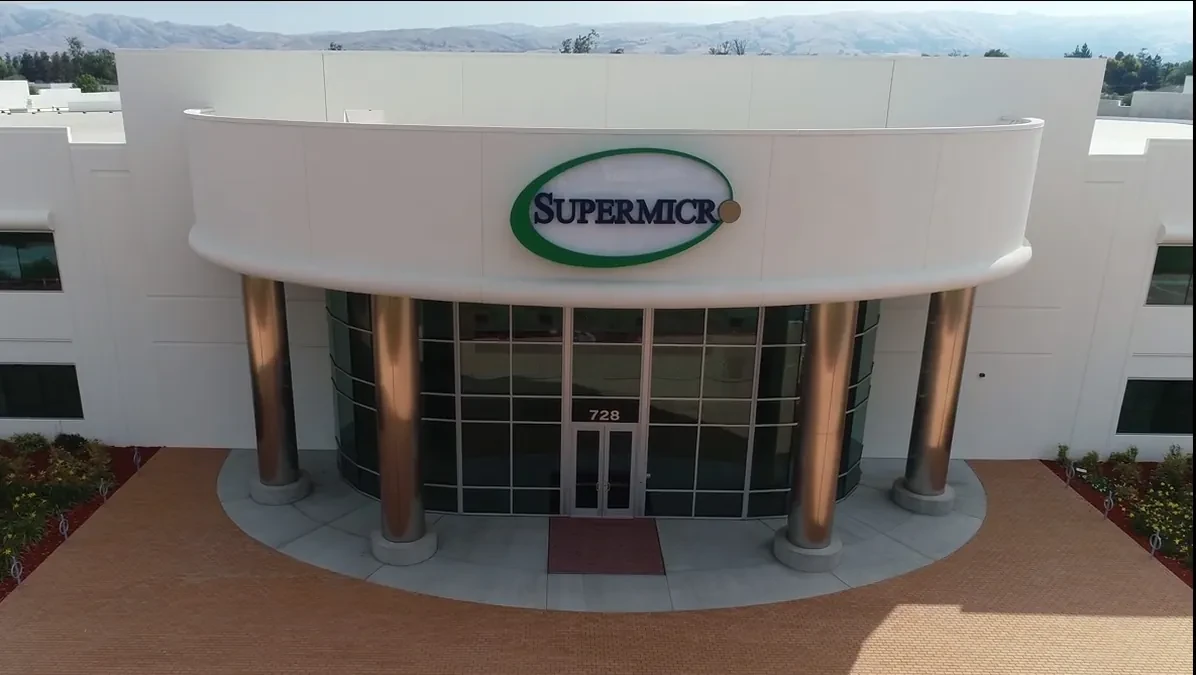
Source note: Supermicro’s July 21 preliminary update, its fiscal third-quarter filings, U.S. Department of Justice materials and independent market reporting were used for this report. Hero image: Supermicro Green Computing Park in San Jose by SMCI, CC BY-SA 4.0 via Wikimedia Commons; slightly resized.