India’s Central Drugs Standard Control Organisation confirmed on July 21 that it had granted marketing authorization for Takeda’s live, attenuated tetravalent dengue vaccine, QDENGA. The approval covers people aged four to 60 and allows the vaccine to be used regardless of previous dengue exposure, without a pre-vaccination blood test. It is the first dengue vaccine cleared for the Indian market.
The authorization creates a prevention option in a country where dengue transmission spans large cities and smaller communities, but it is not the same as a mass-immunization decision. India must still determine price, supply, public-program eligibility and where vaccination will produce the greatest benefit. Post-market safety and effectiveness data will be especially important because dengue risk varies by age, region, prior infection and circulating virus type.
QDENGA is a two-dose vaccine designed to protect against all four dengue serotypes. Regulatory clearance means physicians can use it within the approved age range; it does not mean mosquito control, surveillance or clinical care can be relaxed. The forward test is whether vaccination reduces symptomatic disease and hospitalization under India’s changing transmission patterns.
A broader indication than the first dengue-vaccine era
Dengue vaccination carries unusual historical weight. Sanofi’s Dengvaxia was later restricted because people without a previous dengue infection faced a higher risk of severe disease after vaccination and subsequent infection. That experience made baseline serostatus central to policy and damaged public confidence in some markets.
QDENGA uses a different design, built on an attenuated dengue serotype 2 backbone with components representing the other serotypes. India’s authorization does not require testing for previous exposure. That removes a major logistical barrier, but it also raises the standard for clear communication: eligibility is broader, while protection is not identical across every serotype and population.
Takeda’s product information reports vaccine efficacy of 73.3% against virologically confirmed dengue across the trial population in one analysis, with 90.4% efficacy against hospitalization. The point estimates differed by serotype and baseline status. These figures are trial results, not a guarantee for an individual, and they should be read with confidence intervals, follow-up duration and local epidemiology in mind.
The World Health Organization prequalified QDENGA in 2024 and recommended its use in children aged six to 16 in settings with high dengue transmission intensity. India’s regulator has authorized a wider four-to-60 range. The two decisions answer different questions: one supports national marketing under India’s rules, while the other guides public-health use and procurement based on population benefit.
Rollout will expose the real constraints
Takeda says QDENGA has approvals in dozens of countries and a safety database spanning a large clinical program. India’s scale is different. A two-dose schedule requires people to return, health systems to track completion and supply chains to protect cold-storage conditions. A private-market launch may reach wealthier urban households first even when the greatest disease burden falls elsewhere.
Cost-effectiveness therefore cannot be inferred from efficacy alone. Policymakers must compare the price of a completed course with local incidence, hospitalization costs, outbreak pressure and the performance of vector-control programs. A vaccine can be valuable while still requiring targeted deployment rather than a national campaign.
India is also developing an indigenous dengue candidate, DengiAll, through the Indian Council of Medical Research and Panacea Biotec. That project offers a meaningful comparison. QDENGA provides an available international product with an established trial record; an Indian vaccine could eventually change supply, pricing and procurement. The two paths may coexist, but their evidence and schedules should not be treated as interchangeable.
InfluenceAsia has previously examined the institutional credibility of Asian biotech platforms. Vaccine authority is built through the same sequence: transparent trials, capable manufacturing, independent regulation and evidence after deployment. The commercial milestone is the beginning of that chain, not its end.
What India can measure within one dengue season
The approval announcement did not state a launch price, procurement volume or national-program timetable. Those are not administrative details. They will decide whether the vaccine is used by a narrow private segment or becomes part of a wider prevention strategy.
Safety surveillance must distinguish expected reactions from rare events and from dengue illnesses that occur despite vaccination. Effectiveness studies should report results by age, region, serotype and prior exposure where feasible. Aggregate case counts would be difficult to interpret because rainfall, mosquito density and testing practices can change sharply from one year to the next.
There is also a communications risk. Describing QDENGA as protection against four serotypes is accurate at the design level, but the strength and certainty of observed protection are not uniform. Public agencies and clinicians will need language that supports uptake without implying sterilizing immunity. That is especially important in a disease where a vaccinated person can still require diagnosis and supportive care.
India’s decision adds a concrete tool to dengue prevention, alongside surveillance, source reduction and clinical readiness. Readers can place it beside InfluenceAsia’s coverage of the economics of turning biomedical evidence into durable access and the discipline required after a biotechnology platform reaches the market.
The first useful public milestone will be a specific launch plan: dose price, available supply, delivery channel and target population. The stronger milestone will arrive later, when Indian surveillance can show whether completed vaccination courses changed hospital admissions during transmission peaks. That evidence—not the significance of being first—will determine the approval’s public-health weight.
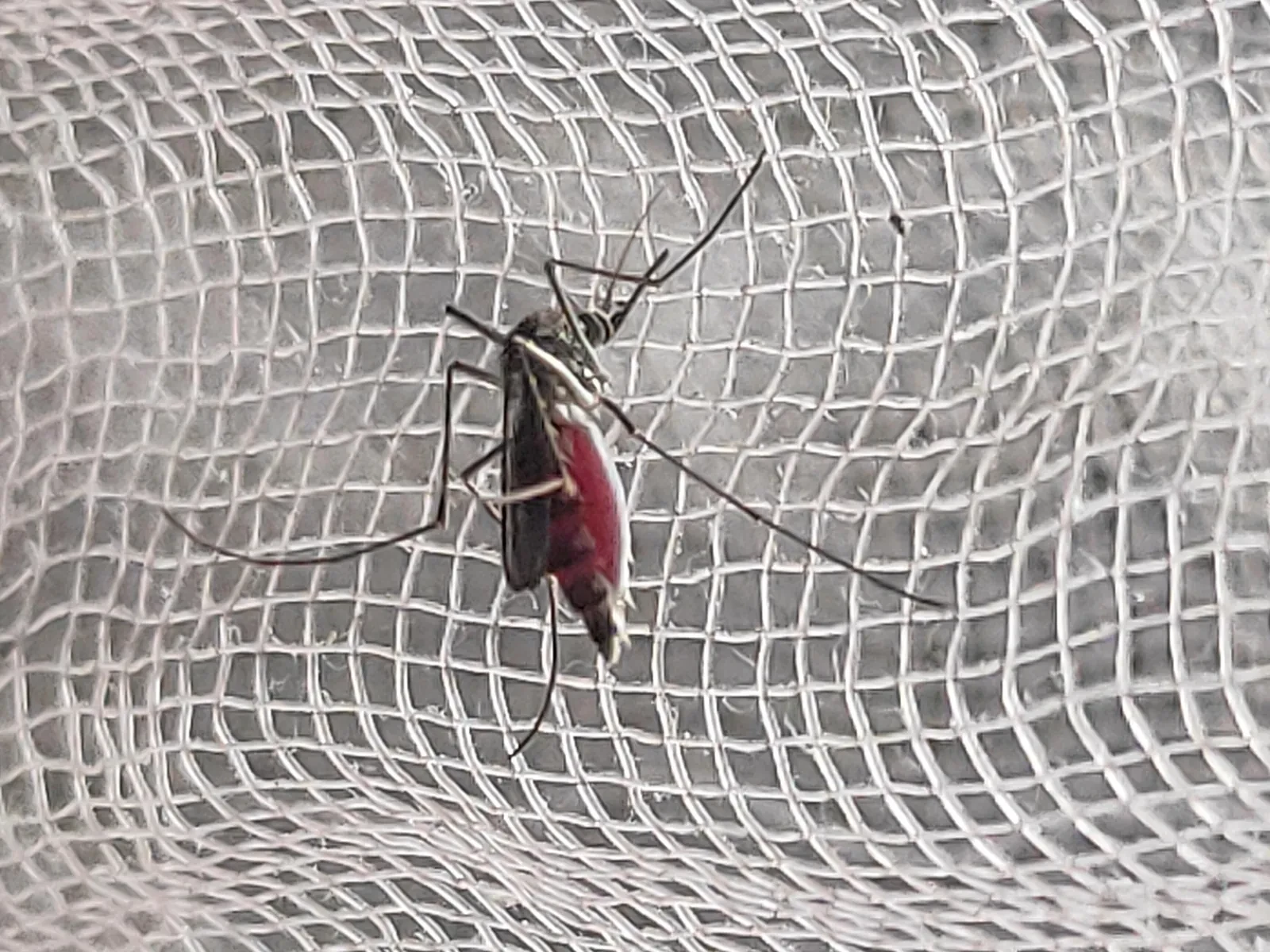
Source note: India’s Ministry of Health and Family Welfare, CDSCO, Takeda product materials, WHO guidance and independent reporting by Reuters and Fierce Pharma were used for this report. Hero image: Aedes aegypti photographed in West Bengal by Biswarup Ganguly, CC0 1.0 via Wikimedia Commons; resized.