India’s private-sector activity expanded at its slowest pace in more than four years in July, after a sharp cooling in services outweighed steadier manufacturing, according to preliminary purchasing-managers data published Friday.
The HSBC flash India Composite Purchasing Managers’ Index, compiled by S&P Global, fell to 54.3 from 57.1 in June. A reading above 50 signals expansion, so the survey still points to growth—but at a pace well below the momentum recorded during much of the past two years.
Services bear the slowdown
Services activity fell to 53.1 from 57.4, its weakest reading since February 2022. Survey respondents cited tougher market conditions, order cancellations and reduced client enquiries. The loss of momentum matters because services have been a principal engine of India’s recent expansion.
Manufacturing was more resilient. The factory index eased to 53.9 from 54.2, while output and new orders continued to grow. International sales across the private sector rose at the fastest pace since March, offering a counterweight to weaker domestic demand.
Employment increased for a seventh consecutive month as firms prepared for demand to hold up. That hiring signal, together with continued export growth, shows that the July survey is a slowdown story rather than a contraction story.
Costs rise as momentum cools
Companies also reported faster increases in fuel, labour, materials and transport costs. Some of those expenses were passed on to customers, pushing output-price inflation to a three-month high.
The combination leaves India’s near-term growth mix less even: services are cooling, manufacturing remains in expansion, and exporters are providing more of the support. Flash PMI readings are based on early survey responses and may be revised in the final release, but the July data mark a clear break from the unusually strong pace seen earlier in the year.
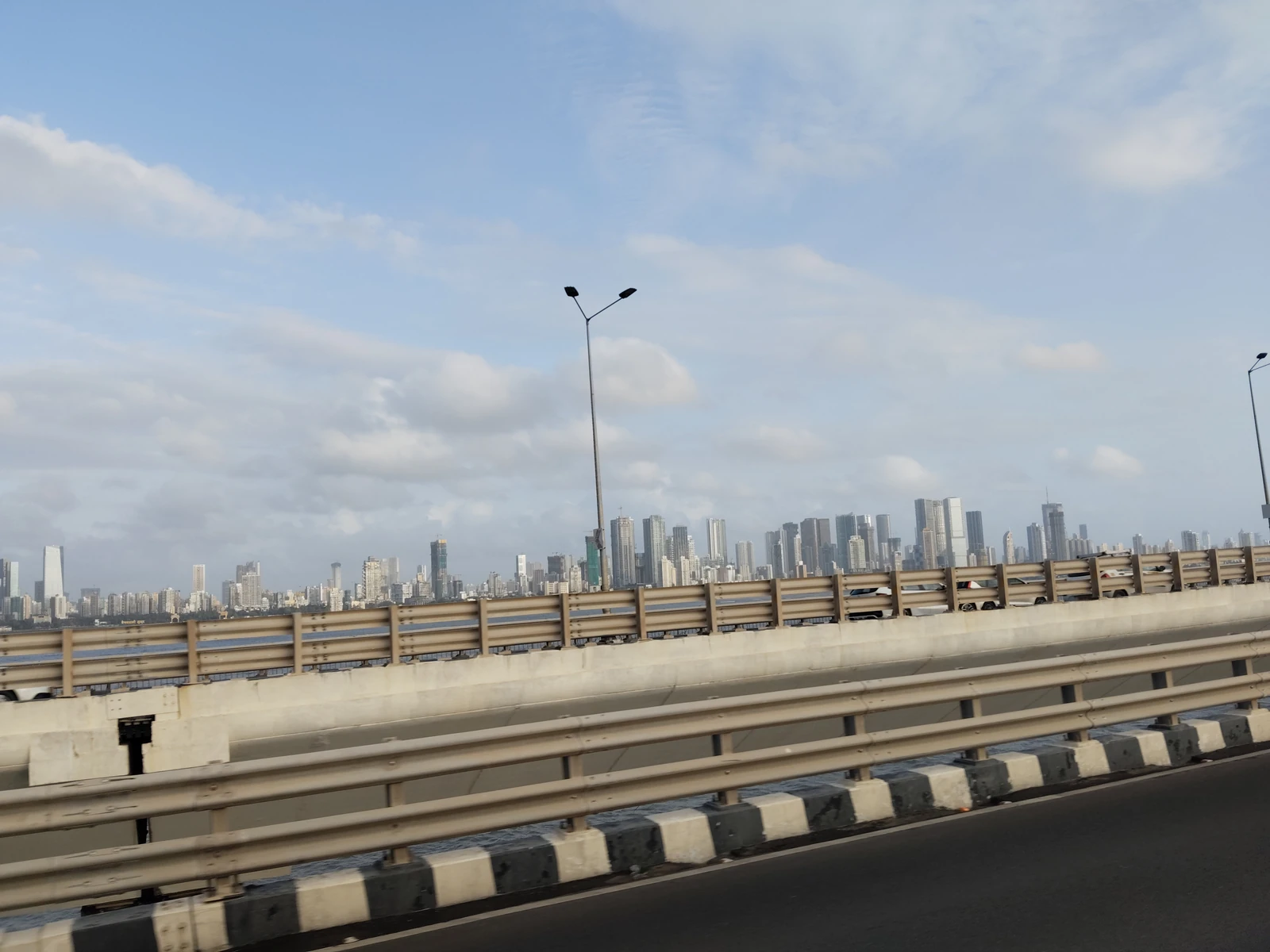
Reporting source: Reuters, based on HSBC and S&P Global flash PMI data. Image: Mumbai skyline, Creater903a/Wikimedia Commons, CC0.