Singapore electrical-infrastructure contractor EGP Energy Corporation launched its mainboard initial public offering on July 21, pricing 18,823,500 shares at S$0.51 each. One million shares are available to the Singapore public and 17,823,500 are being placed with institutional and other investors. Including cornerstone subscriptions, the company expects to raise about S$30.6 million in gross proceeds before trading is scheduled to begin on July 29.
The deal is small by global standards, but it offers a direct test of investor appetite for a profitable, engineering-led supplier tied to grid investment. EGP’s revenue rose from S$16.3 million in fiscal 2023 to S$37.9 million in 2024 and S$38.9 million in 2025, according to its prospectus reporting. Growth has been rapid; durability depends on the timing of projects, customer concentration and working-capital discipline.
EGP is selling investors a claim on future grid spending, not a utility-style stream of regulated earnings. Its revenue comes from supplying and delivering electrical infrastructure solutions, where contracts can be large, irregular and dependent on project acceptance. Order intake, backlog conversion and cash collection will be more informative than the first trading-day price.
How the offer is structured
The public tranche represents a small portion of the new shares. Five cornerstone investors—Amova Asset Management Asia, Avanda Investment Management, Ginko-AGT Global Growth Fund, Value Partners Hong Kong and Whitefield Capital Management—agreed to subscribe for an aggregate 41,176,500 shares at the offer price. Their participation increases the institutional base but does not remove post-listing liquidity risk.
The offer closes at noon on July 27, with listing expected two days later. The timetable makes application demand observable quickly. More important will be the final share count, free float and concentration among cornerstone and controlling shareholders. A narrow float can amplify price moves and make later institutional entry difficult.
EGP has said it does not maintain a formal dividend policy but intends to recommend dividends of up to 40% of attributable net profit for fiscal 2026 and 2027. That language is an intention, not a guaranteed payout. Working-capital requirements, acquisition plans and project spending can change the board’s decision.
The prospectus also warns that subscribers will experience immediate dilution in net asset value because the offer price exceeds post-offer net assets per share. That is common in growth listings, yet it sharpens the requirement for EGP to earn returns above the capital brought in.
A grid contractor’s opportunity and concentration risk
Electricity networks need new substations, protection systems, monitoring and capacity as data centers, electrification and distributed energy increase demand. Singapore’s reliability standards create opportunities for contractors with accreditation and technical records. EGP presents capabilities across extra-high-, high- and medium-voltage systems, project delivery and autonomous inspection.
Project businesses rarely grow in a straight line. A delay in customer approval can move revenue between reporting periods. Equipment purchases and subcontractor payments may precede collection. Investors should therefore compare profit with operating cash flow and contract assets rather than assume reported earnings are immediately available.
Customer concentration is another issue for a supplier serving a limited number of large network operators and industrial clients. The loss or postponement of one contract can affect results disproportionately. The prospectus should be read for the share of revenue from major customers, contract duration and any dependence on particular equipment partners.
EGP’s website also highlights quadruped robots for tunnel and infrastructure inspection. That offering connects the listing with the practical adoption of autonomous robots at work. It remains a complementary capability unless disclosed sales show that robotics contributes materially to revenue.
What a successful listing would look like after July 29
The company’s recent revenue history supports the decision to seek growth capital, but a three-year chart does not establish a full cycle. Grid projects can be resilient because they are essential; they can also face permitting, procurement and labor delays. Margin stability across different contracts will reveal whether EGP has pricing power or is relying on favorable project mix.
Proceeds must be connected to specific uses and later tracked. Investors can watch acquisition spending, regional expansion, hiring, equipment purchases and the share reserved for general corporate purposes. A vague allocation makes it harder to distinguish planned growth from a balance-sheet cushion.
Labor is part of the operating equation. High-voltage engineering depends on certified staff and experienced project managers, and Singapore’s tight technical labor market can raise cost or limit the number of contracts delivered at once. Headcount, subcontractor reliance and safety performance should move alongside backlog rather than appear only as general risk language.
Governance will matter as EGP moves from private ownership to quarterly scrutiny. Related-party dealings, board independence, succession depth and timely project disclosure are part of the investment case. InfluenceAsia’s business section follows those leadership and capital signals without offering investment advice, while the 2026 outlook places institutional credibility beside growth.
Four post-listing measures deserve priority: confirmed order backlog, gross margin by reporting period, operating cash conversion and revenue concentration among the largest customers. Dividend declarations should be considered only after those operating figures.
On July 29, the market will set an opening price. The more consequential date will be EGP’s first results as a listed company, when management must reconcile the prospectus story with new orders and cash. A steady conversion of contracted work would validate the mainboard move. A widening gap between profit and cash would show why infrastructure growth and infrastructure economics must be examined separately.
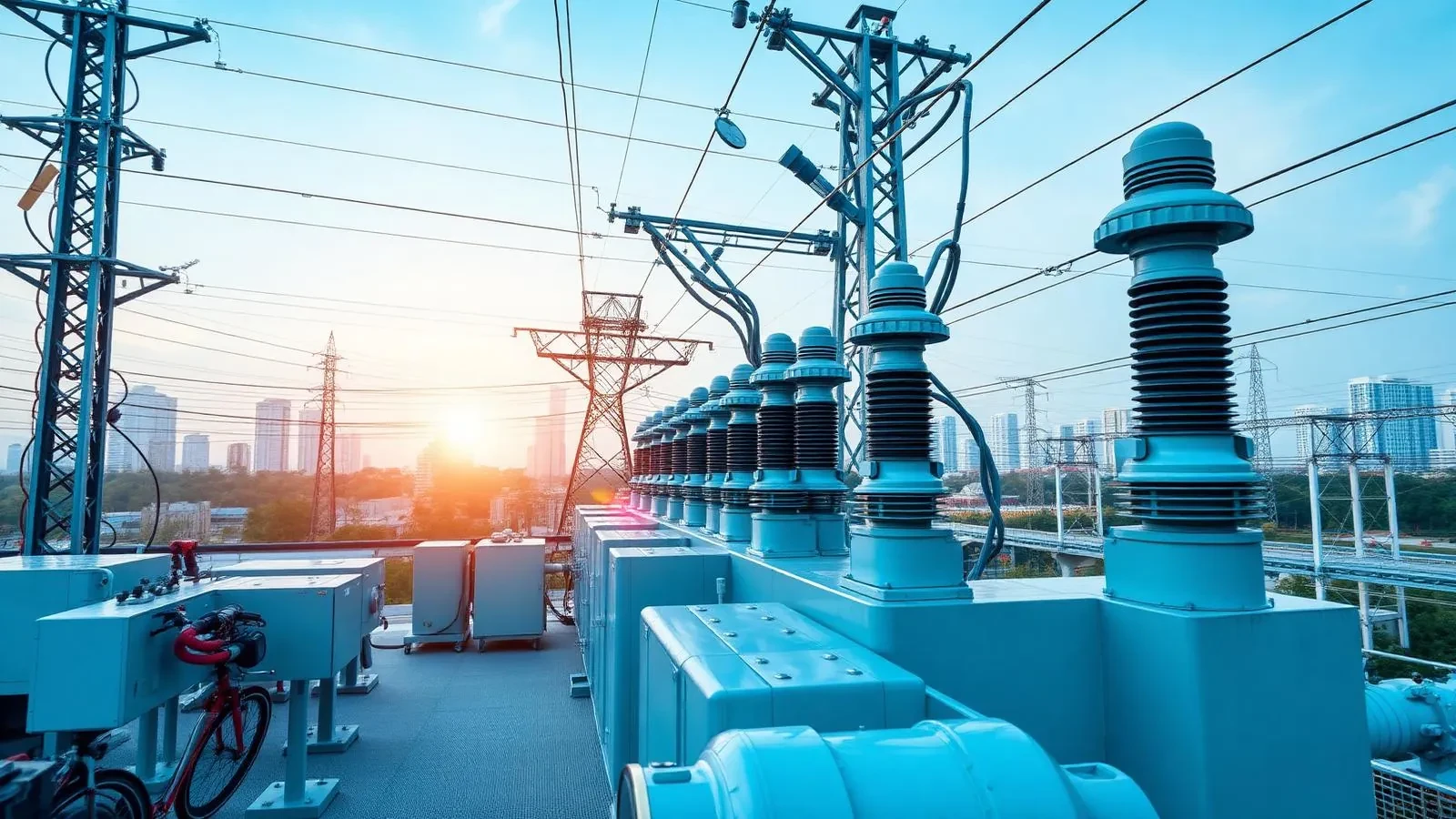
Source note: EGP Energy’s prospectus and website, Singapore Exchange rules, ACRA guidance and independent reporting by The Business Times were used for this report. Hero image: high-voltage substation equipment, © EGP Energy Corporation, official corporate photograph.